


Acrylic Mediums: What They Are and Why Artists Use Them
Acrylic colours are genuinely easy to work with. They dry quickly, go on almost any surface, and do not require much experience to get started. But after a while, painting straight from the tube starts to feel limiting. You want more time to blend, a smoother base to work on, or a finish that actually looks the way you pictured it. That is where acrylic mediums come in small additions that make a surprisingly big difference to how a painting turns out.
They do not change your colours. They simply change how the paint behaves, and once you understand what each one does, using them feels completely natural.
Preparing the Canvas Before You Paint
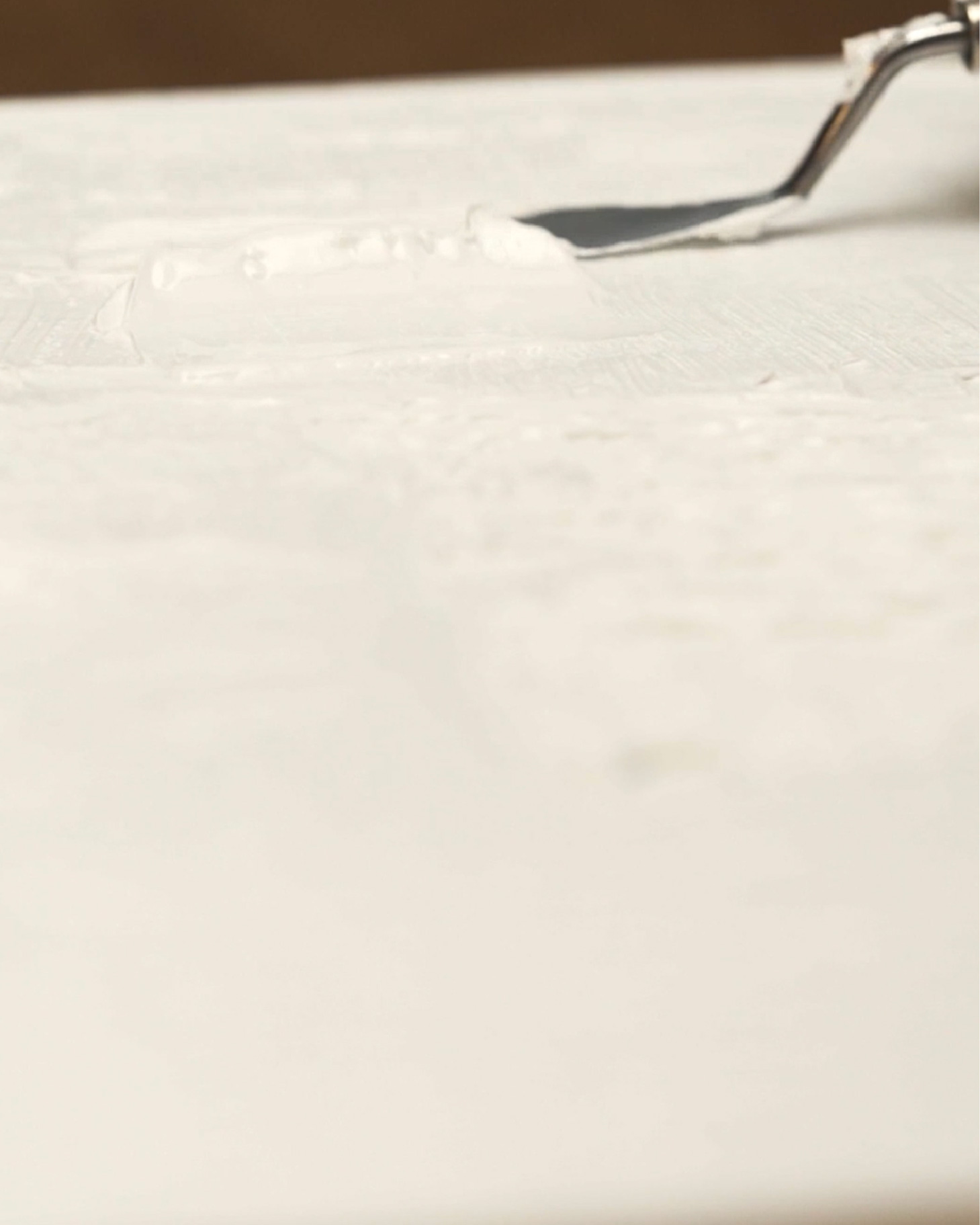
Before any colour goes down, the surface needs to be ready. Camel Gesso is brushed directly onto the canvas in thin, even layers and left to dry. Once set, it gives a smooth, bright white base that holds paint evenly and stops it from soaking in unevenly or looking patchy. For artists who prefer a rougher feel to their base where palette knife marks and brushwork feel more physical, Camel Texture White does the same job but dries with a coarser, more tactile surface. Both are available as liquid in 100 ml and 500 ml.
Changing How the Paint Behaves
Once the surface is ready, these four liquid mediums give you control over what happens during the actual painting process.
Camel Gloss Medium is mixed directly into the paint before applying. Once dry, the surface takes on a shiny, almost glass-like finish, and colours look deeper and more saturated. It works well for detailed or layered paintings where richness and depth matter. Available in 100ml and 500ml.
Camel Matt Medium is used the same way but produces the opposite result. The surface dries completely flat with no shine, ideal for backgrounds, portraits, or any area where glare would get in the way. Available in 100ml and 500ml.
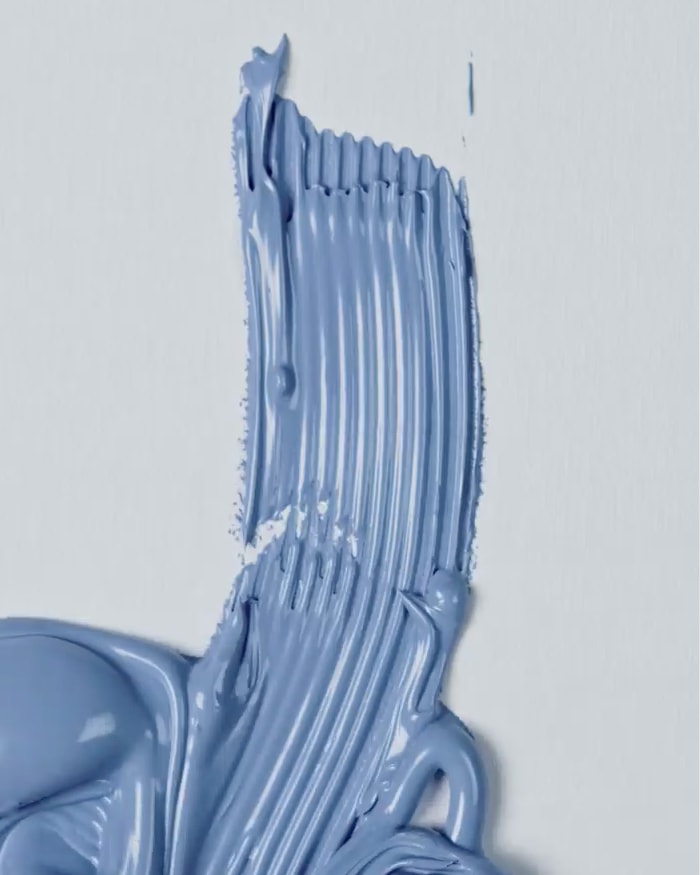
Camel Gel Medium thickens the paint instead of thinning it. Applied with a palette knife or stiff brush, every mark stays exactly where it is placed. Once dry, the surface has real physical texture, raised ridges, and visible brushwork that you can actually feel. A good choice for abstract paintings and any work where movement and depth are part of the style. Available in 100ml.
Camel Retarder slows the drying time down. Just a few drops mixed into the paint gives you noticeably more time to blend colours, soften edges, or rework an area before it sets. Particularly useful for large paintings or smooth gradients where fast-drying paint makes blending difficult. A small amount goes a long way; too much can leave the surface tacky longer than intended. Available in 100ml.
Protecting the Finished Painting
Once the painting is completely dry, Camel Picture Varnish Spray is the final step. Hold the can roughly 25 to 30 cm away from the surface and apply in light, steady passes. It seals everything and dries to a consistent finish, which is useful because different areas of a painting often dry with slightly different levels of shine. The varnish evens all of that out and protects the surface from dust, moisture, and fading over time. Available as a 200ml spray can.
Final Thoughts
Not every painting needs every medium. Start with Gesso or Texture White for a clean, even base. Mix in Matt Medium depending on the finish you want. Add a few drops of Retarder when blending time is running short, and reach for Gel Medium when texture is part of the plan. Finish with the Picture Varnish Spray once the work is done and ready to be kept.
Camel's acrylic mediums are available in liquid form in 100 ml and 500 ml sizes and as a 200 ml spray for the protection stage covering every part of the painting process from first stroke to final seal.
Frequently Asked Questions (FAQs)
Q1. What is the purpose of acrylic medium?
A. Acrylic mediums are used to change the working properties of acrylic paint without affecting its colour. Artists use them to alter texture, drying time, transparency, and surface finish. Depending on the medium, paint can become glossier, more matte, thicker for texture effects, or slower drying for easier blending and detailed work.
Q2. What is the difference between acrylic paint and acrylic medium?
A. Acrylic paint contains pigment that provides colour, while acrylic medium contains the same acrylic binder without added pigment. Mediums are mixed with paint to modify how it behaves, such as making it thicker, thinner, shinier, or slower drying, while keeping the original colour strength largely unchanged.
Q3. Why do artists use gesso before painting with acrylics?
A. Gesso prepares the painting surface by creating a smooth, stable base that helps acrylic paint adhere properly. It prevents the canvas from absorbing paint unevenly, improves colour vibrancy, and makes the painting process more consistent. Many artists consider it an important first step for achieving cleaner and more professional-looking results.
Q4. Can acrylic mediums be mixed directly with paint?
A. Yes, most acrylic mediums are designed to be mixed directly into acrylic paint. For example, gloss and matt mediums can adjust the final finish, gel mediums can create thicker textures, and retarders can extend drying time. The amount used depends on the desired effect and the manufacturer's recommendations.
Q5. What does a gel medium do in acrylic painting?
A. Gel medium increases the thickness and body of acrylic paint, allowing artists to create visible textures and dimensional effects. It helps brushstrokes and palette knife marks remain prominent after drying. This makes it especially useful for abstract art, impasto techniques, and paintings where texture plays an important visual role.
Q6. How do you make acrylic paint dry slower?
A. Acrylic paint can dry more slowly by adding an acrylic retarder medium. A small amount mixed into the paint extends the working time, making it easier to blend colours, soften edges, and create smooth transitions. Artists often use retarders when working on large areas, detailed blending, or gradual colour gradients.
Q7. Should you varnish an acrylic painting after it is finished?
A. Varnishing is generally recommended once an acrylic painting has fully dried. A varnish helps protect the surface from dust, moisture, and environmental damage while improving the painting's longevity. It can also create a more uniform appearance by evening out differences in surface sheen that may develop during the drying process.


Did this article help you learn something new?
Share your thoughts with us in the comments below.
Leave a comment


Comment added
Comment updated
Comment deleted
More inspiration
“
“Art is not what you see but what you make others see.”