


Oil Pastel Drawing Ideas for Students and Beginners
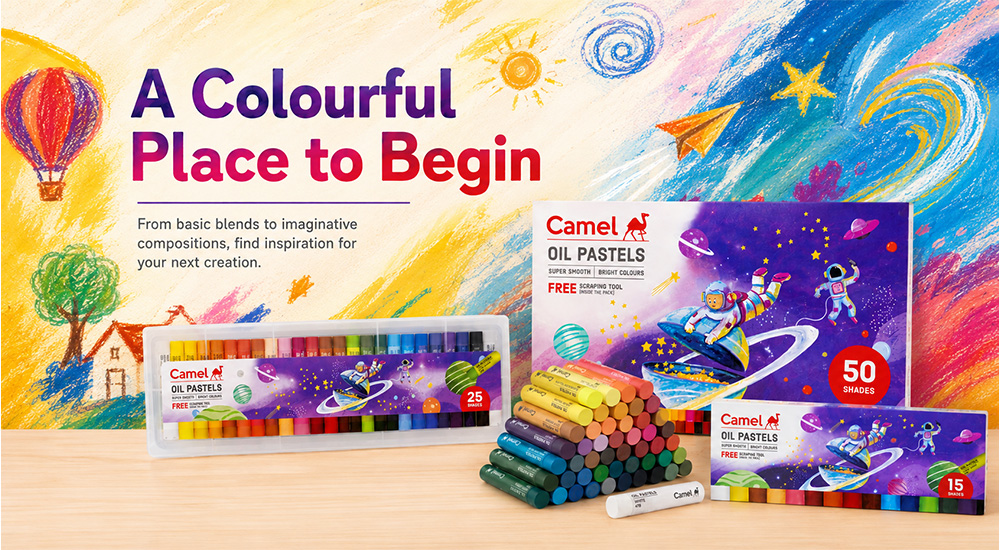
Oil pastels are one of those art supplies that just feel right from the very first use. They are bright, smooth, and easy to pick up; no special training is needed. All you really need is a drawing sheet, a set of colours, and something you want to draw.
This is exactly why oil pastels are so widely used in schools. Whether it is a class activity, an art competition, or just some creative time at home, students of all ages enjoy working with them. And with something like Camel Oil Pastels in hand, known for their rich pigment, buttery texture, and easy blending, even a simple drawing can turn out looking really good.
Here are some drawing ideas that work especially well with oil pastels.
Sunsets Are the Perfect Starting Point for Young Artists
Sunsets are a classic for a reason. The colours blend naturally into each other: oranges, pinks, yellows, and purples, which makes them perfect for practising the blending that oil pastels are so good at. Add a simple silhouette of trees or hills at the bottom and you have a complete, striking drawing without needing any complex technique.
Flower Drawings That Never Look Boring
Flowers give students a lot of freedom. A sunflower, a rose, or a lotus; any of these can become a beautiful piece when you play around with colour combinations and backgrounds. Since most flowers have multiple shades within them, they are naturally suited to the layering and blending that Camel Oil Pastels do so well. The vibrant colours really come through here.
Landscapes That Come Alive with the Right Colours
A village landscape is one of the most common themes in school drawing competitions, and for good reason. A small house, a river, some trees, and an open sky; together they form a complete scene. Oil pastels make the greens look lush and the skies feel warm, which is hard to achieve with other colouring tools.
Bringing Celebrations with Colours
Diwali diyas, a Holi colour splash, and a flag for Independence Day festival themes are colourful, meaningful, and always popular during school events. These drawings encourage students to use a wide range of shades in a single artwork, which is where a full set of Camel Oil Pastels really comes in handy.
When Your Drawing Sheet Becomes a Nature Trail
A peacock with its feathers spread out, a parrot perched on a branch, and an elephant in a forest wildlife subject push students to think about shapes, textures, and colour placement. These are slightly more detailed than scenery drawings but still very manageable, especially with a tool as forgiving as oil pastels.
Final Thoughts
The more you draw, the better you get, but using the right colours definitely helps. Camel Oil Pastels glide smoothly on paper, do not break or crumble mid-stroke, and stay bright even after blending. They come in a wide range of shades, so you are rarely stuck trying to mix the colour you need.
Whether it is a quick school project or a competition piece, they are reliable enough to handle both. Students have been reaching for them for years, not just because they are easy to find, but because they genuinely work well. Pick up a set, start with any idea from above, and just see where it goes.
Frequently Asked Questions (FAQs)
Q1. What are some easy oil pastel drawing ideas for students?
A. Students can start with simple subjects such as sunsets, flowers, village scenery, birds, and festival-themed artwork. These ideas do not require complicated sketching and provide plenty of opportunities to experiment with colour blending, shading, and layering while building confidence with oil pastels.
Q2. Why are oil pastels a good choice for beginners?
A. Oil pastels are easy to handle and produce rich colours with very little effort. Unlike paints, they do not require brushes or additional setup, making them convenient for students who are still learning basic drawing and colouring techniques.
Q3. Can oil pastels be blended easily?
A. Yes. One of the biggest advantages of oil pastels is their blendability. Colours can be layered directly on paper and softened using fingers, tissue paper, or blending tools. This allows students to create smooth transitions, realistic skies, and attractive shading effects in their artwork.
Q4. What type of paper works best for oil pastel drawings?
A. Thick drawing sheets, sketchbooks, and textured art paper usually work best with oil pastels. These surfaces can handle multiple layers of colour without tearing easily. While regular paper can also be used, slightly heavier sheets often produce better results, especially when blending and shading techniques are involved.
Q5. How can students improve their oil pastel drawing skills?
A. Consistent practice makes the biggest difference. Starting with simple subjects, trying different colour combinations, and observing how light and shadow affect objects can gradually improve drawing quality. Many students also learn faster by recreating scenery, flowers, or wildlife artwork they find inspiring.
Q6. Are oil pastels suitable for school competitions and projects?
A. Absolutely. Oil pastels are widely used for school competitions because their colours appear bright and eye-catching on paper. They work particularly well for themes such as nature, festivals, landscapes, wildlife, and social awareness topics where strong colour impact can enhance the overall presentation.
Q7. What makes Camel Oil Pastels popular among students?
A. Camel Oil Pastels are known for their smooth texture, vibrant shades, and easy application. They blend well on paper and offer good colour coverage, making them useful for classroom activities, art competitions, creative assignments, and regular drawing practice.
Did this article help you learn something new?
Share your thoughts with us in the comments below.
Leave a comment


Comment added
Comment updated
Comment deleted
More inspiration

“
“Art heals all my feels.”